
Did You Get What You Paid For? Verifying Quality Throughout the Manhole Rehabilitation Process
Manhole rehabilitation has come a long way over the past several decades. Advances in materials, application methods, and inspection technology have given owners and engineers more options than ever to extend the service life of aging infrastructure. Yet despite these advancements, one critical question remains at the end of every project: Did the rehabilitation actually achieve what it was supposed to?
This question goes beyond whether a lining material was installed or whether a crew completed the work on schedule. True success in manhole rehabilitation is measured by whether the system meets industry standards, adheres to manufacturer requirements, and, most importantly, achieves the intended performance goals for the asset. Answering that question requires a disciplined approach to quality control (QC), quality assurance (QA), and post-installation verification.
Defining the Goal Before the Work Begins
Every successful rehabilitation project starts with clarity. Before work begins, all stakeholders should have a shared understanding of the purpose of the rehab effort. Is the primary goal to mitigate corrosion? Stop infiltration and inflow? Restore structural integrity? Extend service life by a defined number of years? Prevent a costly dig and replace in the future? Often, the answer is some combination of these objectives.
Problems arise when success criteria are vague or assumed. A manhole that “looks good” at completion may still fall short if thickness requirements were not met, adhesion was compromised, or critical defects were simply encapsulated rather than addressed. Establishing measurable performance criteria at the outset—based on industry standards, specifications, and site conditions—creates a benchmark against which the final product can be evaluated.
Surface Preparation: The First Quality Checkpoint
While much attention is paid to the final lining or coating, quality control truly begins with surface preparation. Cleaning, profiling, and defect repair are foundational steps that directly influence system performance. Inadequate preparation is one of the most common root causes of premature failure, regardless of the rehabilitation method used.
From a QC standpoint, preparation should be verified, not assumed. Was grease, biofilm, and loose material fully removed? Were active leaks properly addressed prior to lining? Was the substrate condition appropriate for the specified system? Documentation at this stage, including pre-installation inspections and photographs, provides a valuable baseline for evaluating the work that follows.
Application Verification: More Than Just “Installed”
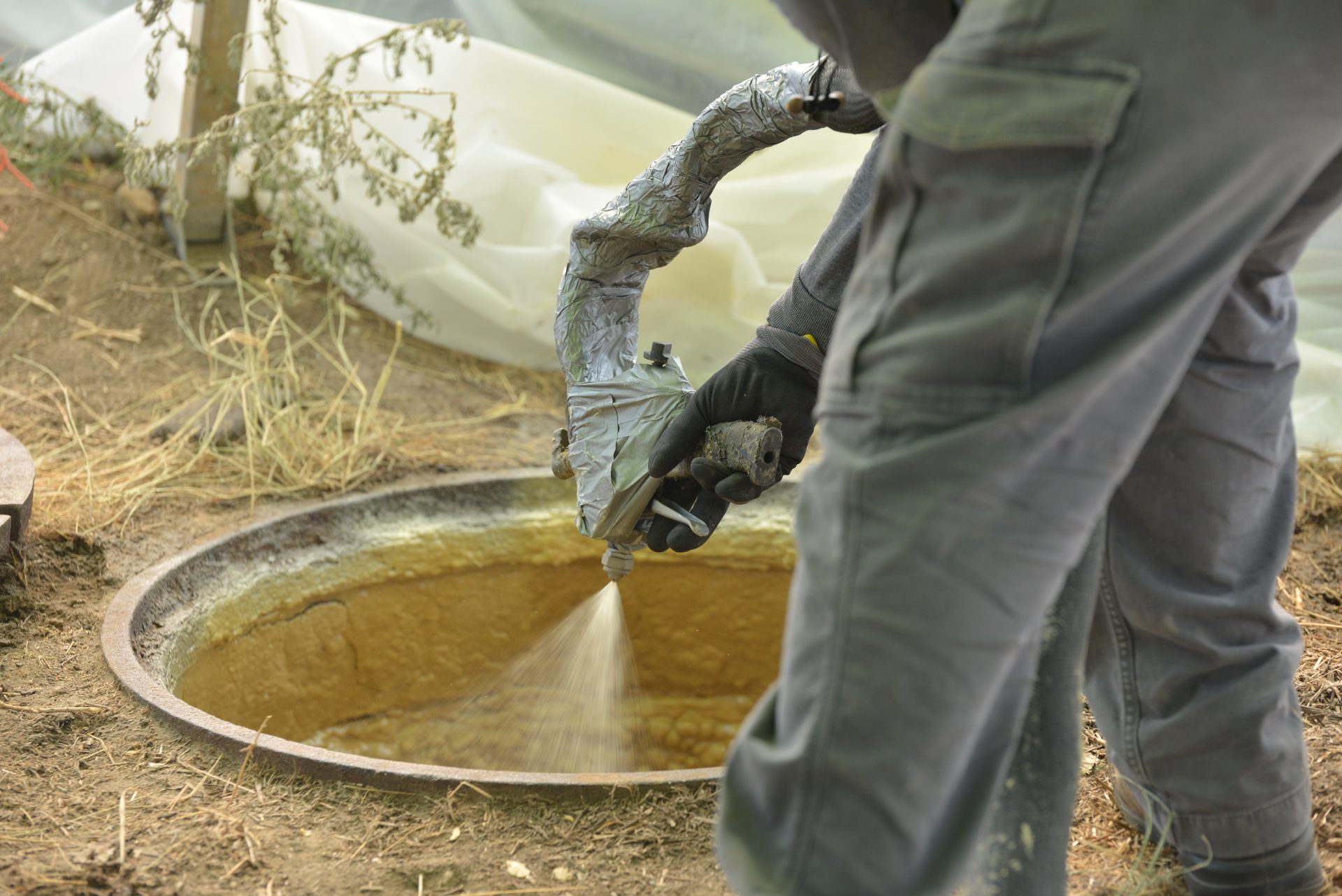
Once installation begins, QC shifts toward ensuring the rehabilitation system is applied in strict accordance with the project specifications and manufacturer guidelines. This includes monitoring environmental conditions, equipment calibration, material handling, and application technique.
Thickness verification is a common focus area, but it should not be the only one. Uniformity, continuity, and coverage are equally important. Holidays, pinholes, shadowing behind steps or benches, and insufficient build in high-stress areas can all compromise long-term performance. Independent measurements, wet film or dry film thickness checks, and real-time oversight help confirm that what was designed is what was installed.
Final Inspections: Looking Beyond Appearance
Post-installation inspections are often the most visible QC activity, but they can also be the most misleading if not approached carefully. A smooth, uniform surface does not automatically indicate compliance or performance. Visual inspection should be paired with objective verification methods wherever possible.
Final inspections should confirm that all specified areas were rehabilitated, required thicknesses were achieved, and transitions, such as chimney interfaces, pipe penetrations, and channel inverts, were properly detailed. Documentation should include inspection reports, photographs, and test data where applicable. These records not only demonstrate compliance but also serve as a reference for future condition assessments.
Importantly, QC should not be viewed as a pass/fail exercise at the end of the job. Continuous verification during installation allows issues to be corrected immediately, rather than discovered after access has been restored and crews have demobilized.
Confirming the Rehab Objective Was Met
Perhaps the most overlooked aspect of quality verification is confirming that the overall rehabilitation goal was achieved. A project can technically meet installation specifications yet still fall short of the owner’s long-term expectations if those expectations were not fully considered.
For example, a lining installed to control corrosion may not adequately address groundwater infiltration if joints and penetrations were not sealed. Post-rehab evaluations should revisit the original objectives and assess whether the completed system meaningfully addresses them.
This broader perspective helps owners answer the ultimate value question: not just was it installed correctly, but did it deliver the intended benefit?
Accountability Through Documentation and Training
Quality control is strongest when it is supported by clear documentation and well-trained personnel. Contractors, inspectors, and owners all play a role in maintaining accountability throughout the project lifecycle. Standardized checklists, inspection forms, and reporting protocols reduce ambiguity and help ensure consistency across projects.
Equally important is training. QC processes are only effective when the individuals executing them understand both the “how” and the “why.” Familiarity with industry standards, manufacturer requirements, and common failure modes enable inspectors and crews to identify potential issues before they become long-term problems.
A Long-Term View of Value
Manhole rehabilitation is ultimately an investment in asset longevity and system reliability. Quality verification is not an administrative burden; it is the mechanism by which owners protect that investment. When QC is treated as an integral part of the rehabilitation process rather than a final checkbox, the likelihood of achieving long-term performance goals increases significantly.
As trenchless technologies continue to evolve, so too should the industry’s approach to verification and accountability. Asking “Did you get what you paid for?” should not be a rhetorical question asked years later after problems emerge. It should be a question confidently answered at project closeout, supported by data, documentation, and a clear alignment between intent and outcome.
In the end, successful manhole rehabilitation is not just defined by the method used, but also by the discipline applied in ensuring the work was done right and that it truly delivered what was promised.